When a Giant Changes CEO: Why PCB Orders Held While the Sector Sold Off
One announcement took the PCB sector down across both mainland and Hong Kong markets within a week. At the same time, the laminate suppliers and PCB fabricators who actually ship into that supply chain said almost in unison that their order books had not changed. Both statements can be true, and the reason is a difference in time horizon, not in honesty.
The facts, stripped of speculation
According to NVIDIA's own announcement, the board accepted its founder's resignation as President, Chief Executive Officer and board member on November 11, effective immediately, and announced it publicly on November 12. Chief Financial Officer Colette Kress became interim CEO while keeping the CFO role, long-serving director Harvey Jones was named the company's first board chairman, and the board started a global search that includes both internal and external candidates. The founder had run the company for 33 years.
The market reaction was immediate: the stock opened down 14.3 percent, closed about 4.3 percent lower, and finished the week down nearly 13 percent, with more than 573 billion US dollars of market value erased, the worst single week in 18 months.
One week, five turning points
The week had more than one trigger, and each of them moved the share price.
- November 8: an open letter to employees was published on the company site, and the board announced an independent investigation the same day.
- November 9: the stock fell 4.27 percent, and the first securities class action was filed.
- November 10: independent directors appointed outside counsel to lead a full investigation; the stock fell another 5.47 percent, taking the two-day decline to 9.51 percent. The same day, US Republican Senator Kevin Cramer publicly called on the founder to step down.
- November 11: the board accepted the resignation; per the 8-K filing with the US SEC, it took effect immediately.
- November 12: the company announced the interim CFO as CEO and the appointment of its first board chairman, and opened a global search.
As of November 16 the investigation was still open and no formal decision had been taken on a successor or on whether the founder might return. In the same period, some US political figures publicly called for the board to look outside the company for its next leader. For a sector whose order book depends on one customer's cadence, that kind of uncertainty is itself a cost.
Within one week, the pressure reversed
After the announcement, public opinion did not move in one direction. It turned.
- November 13: according to Wired, an internal petition had gathered hundreds of employee signatures calling for the founder's reinstatement. The same day the Financial Times reported that the board had approached Arm chief executive Rene Haas about the succession, while the board said it had not yet formally contacted any candidate.
- November 14: signatures on an independent petition site passed 136,000, including 6,817 current employees, 1,274 former employees and 73,568 shareholders. Two institutional holders, Altimeter Capital and Atreides Management, wrote jointly to the board asking that a possible return be included as a formal option in the evaluation.
- November 15: the Financial Times, citing sources, reported that the founder had discussed a return with close associates, that allies were lobbying the board in Silicon Valley and planned to seek White House support. The same day, US Treasury Secretary Scott Bessent said publicly that the board should look outside the company for a new leader.
- November 16: Chinese media picked up the reports in bulk, NVIDIA shares indicated higher in off-exchange trading, and mainland computing and PCB names began pricing a sentiment reversal. As of that day, however, a return remained at the stage of discussion and lobbying: no formal personnel decision, and the investigation still open.
The PCB selloff was sharper than the parent stock
On November 13, the first full trading day after the announcement, the mainland PCB index fell 6.51 percent and 62 of its 63 constituents declined.
| Date | Instrument | Move |
|---|---|---|
| Nov 12 | NVIDIA | opened -14.3%, closed about -4.3% |
| Nov 13 | Mainland PCB index | -6.51%, 62 of 63 constituents down |
| Nov 13 | Two major PCB fabricators | limit down; a third fell 10.57% |
| Nov 13 to 14 | Optical module and laminate names | about -10%, limit down, about -8% |
| That week | NVIDIA | nearly -13%, over USD 573 billion of value lost |
The decline did not start with this announcement. Early in November, reports of a delayed rack delivery programme had already raised questions about the pace of high-end PCB demand, and several names had already fallen more than 20 percent over the preceding seven trading days. The announcement landed on sentiment that was fragile to begin with.
What the supply chain actually said
Over the three days that followed, laminate makers and PCB fabricators responded through investor platforms, research calls and media interviews, and the wording was remarkably consistent: the management change has not reached the order book.
Shengyi Technology, asked directly about market talk that a high-end copper clad laminate order had been cancelled over quality issues, said it had received no cancellation notice from any end customer, that production was normal and that its order book was full. Others described stable cooperation frameworks and normal production scheduling, and one large fabricator emphasised that capacity utilisation remained high.
Why the stock price and the order book can both be right
The supply advantage that made this customer dominant has two halves, and they react very differently to a change of CEO.
The first half is written into long-term orders, capacity commitments and purchase volume. It sits in contracts and production schedules, and it does not disappear on the day of an announcement. When a fabricator says the order book has not changed, this is the half it is describing.
The second half rests on three decades of commercial credibility and on direct relationships with supplier leadership: the ability to push a supplier to add capacity early and to prioritise allocation. None of that is in a contract, and all of it shapes whether suppliers dare to invest ahead of demand.
So the limit-down moves were trading a strategic continuity risk that has not happened yet, while the companies were confirming deliveries that are happening now. They are looking at different points on the same chain, which is why they do not contradict each other.
Where the real test sits
Not in the first trading day, but after a new management team is in place. Three things matter: whether the next-generation AI platform changes its PCB specification, how capacity is allocated, and which technology route is chosen.
The company's scheduled earnings release on the afternoon of November 17, US Eastern time, is the first point at which numbers can be checked against the narrative. Until then, unchanged order books and falling share prices will coexist.
What this means if you sell equipment
The signal here is not the share price. It is the pace at which your customers make decisions.
When end customers become more cautious about expanding high-end capacity, PCB factories change what they look at before signing a purchase order: payback period first, changeover capability second. Whoever can produce the same output with less capital and faster changeovers is the one that wins orders in that mood.
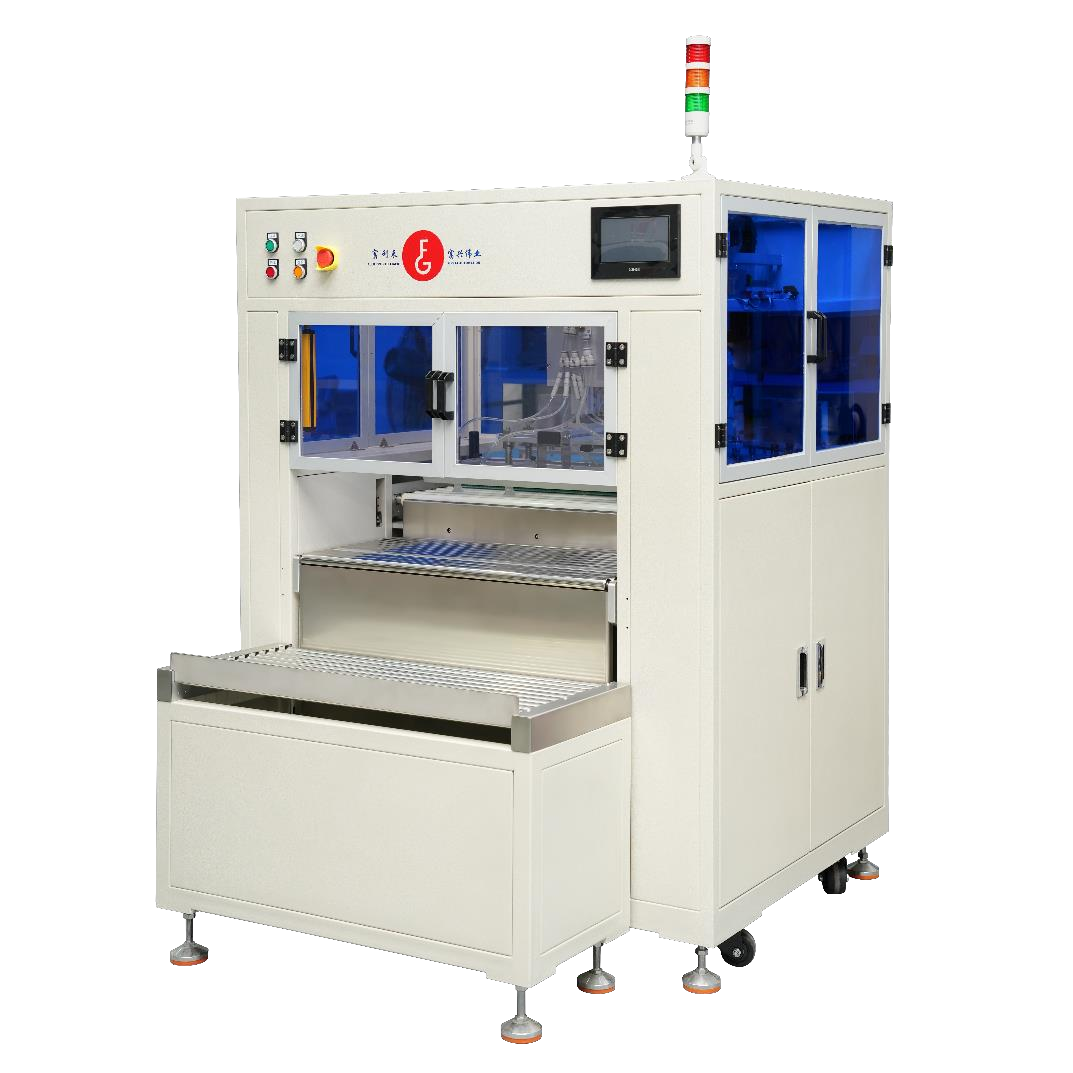
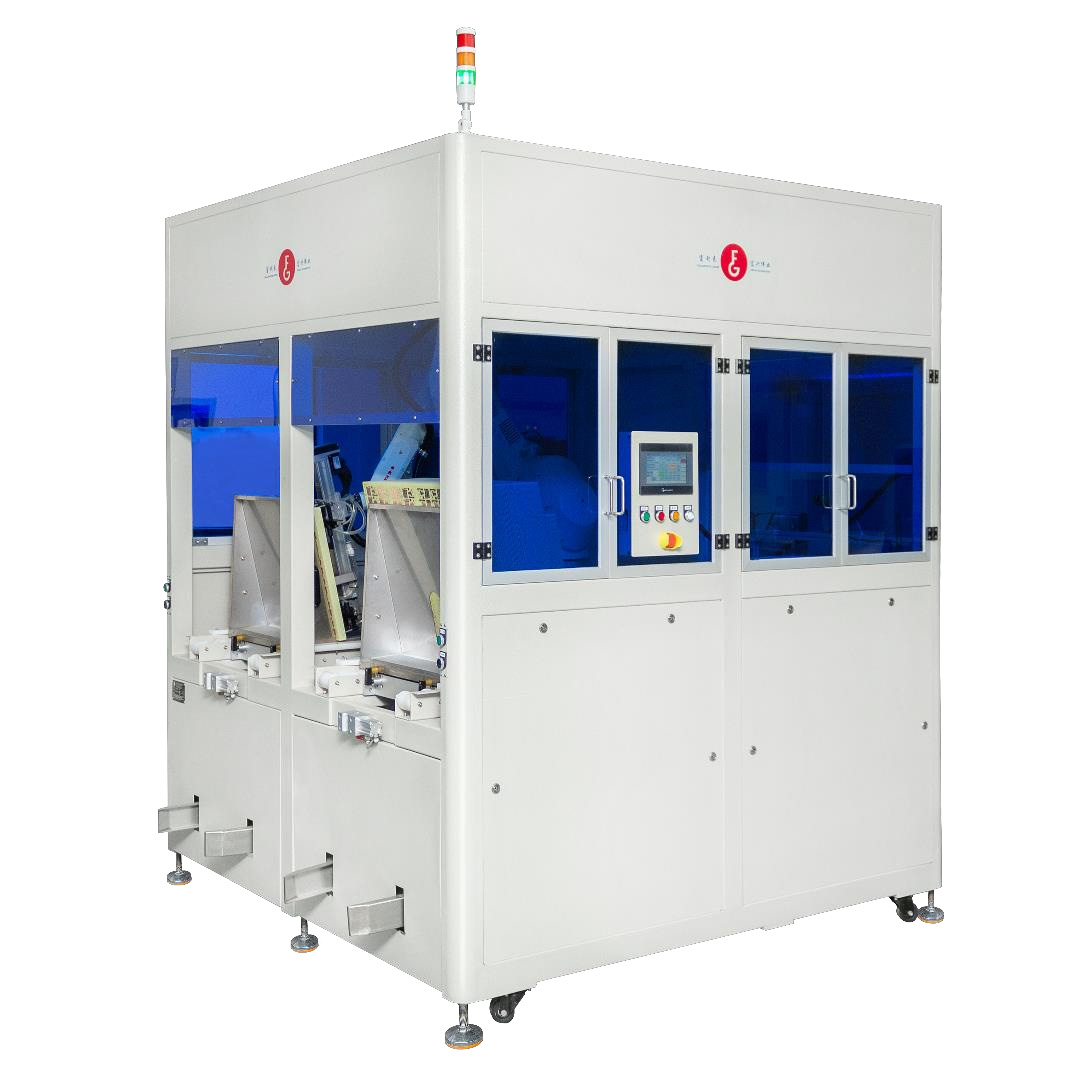
That is the same three things we keep returning to when we build loaders and unloaders, automatic V-cut machines and legend inkjet printers: take labour out of repetitive handling, compress changeover to minutes, and narrow the yield variation to something measurable. Sentiment moves in cycles. Those three items stay on the customer's cost sheet.
If you are evaluating automation for a line, send your panel sizes, thickness range and required output to kevin@fulilion.com and we will start with the payback calculation rather than the configuration. Customers in Thailand can reach our branch directly and we will bring a machine to your plant.
Facts in this article are drawn from the company's announcement and public reporting; the story was first reported by a Chinese PCB trade outlet and this version is a rewrite that adds an equipment-side perspective. Individual stocks are mentioned only to describe sector sentiment, and nothing here is investment advice.