PCB Legend Inkjet Printer: Why It’s Replacing Traditional Screen Printing in Modern PCB Factories
If you run a PCB fabrication plant, you’ve probably felt the pinch over the last two years: order volumes are smaller, lead times are tighter, skilled screen printing operators are harder to hire, and the cost of making screens, films, and rejected boards keeps climbing.
More and more plant managers we talk to in Southeast Asia and Latin America are asking the same question: Is it time to swap our old screen printing line for a UV inkjet legend printer?
In this guide, we’ll break down how modern PCB inkjet technology works, how it compares to traditional screen printing, and exactly which operations will see the fastest payback from the switch.
What Is a PCB Inkjet Printer, Exactly?
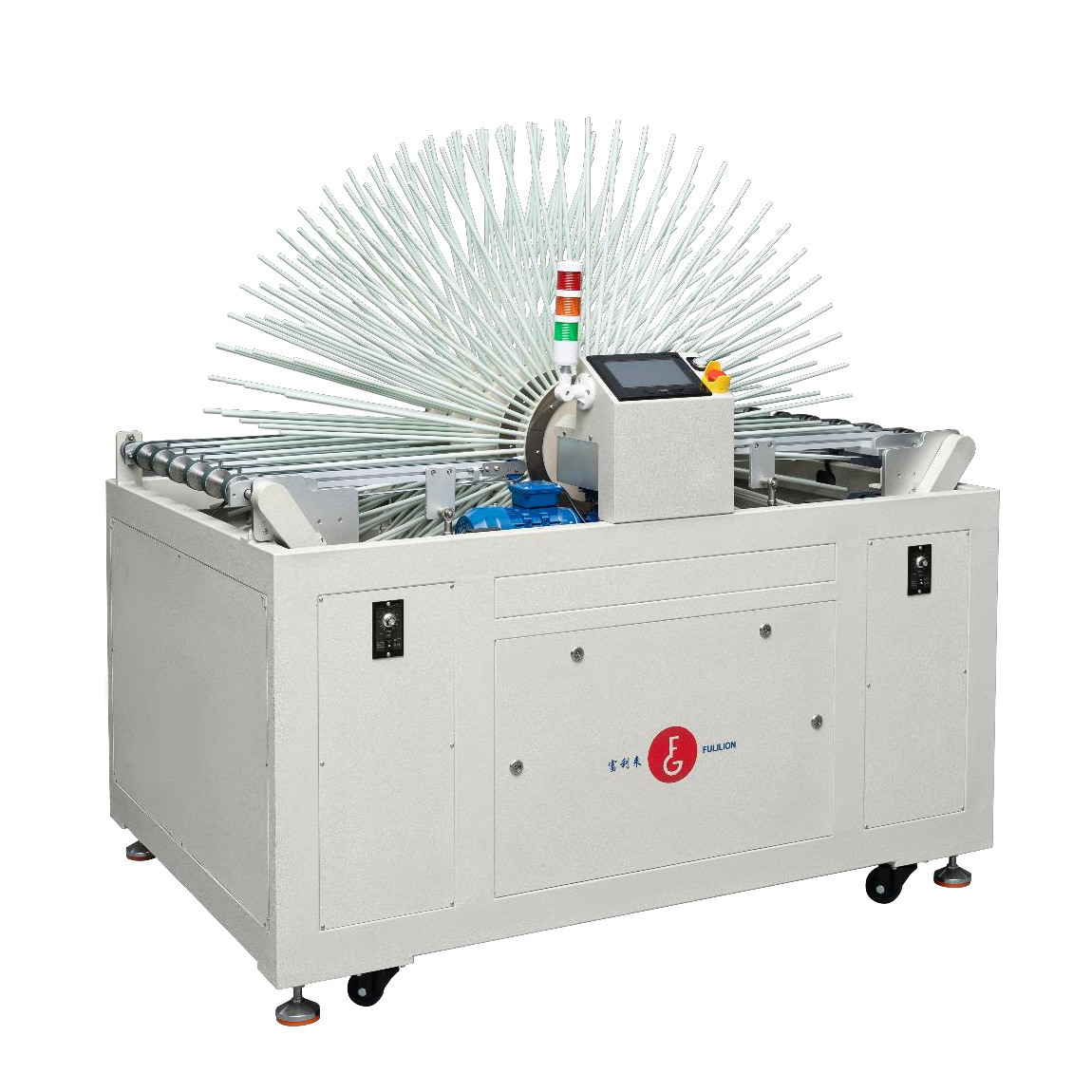
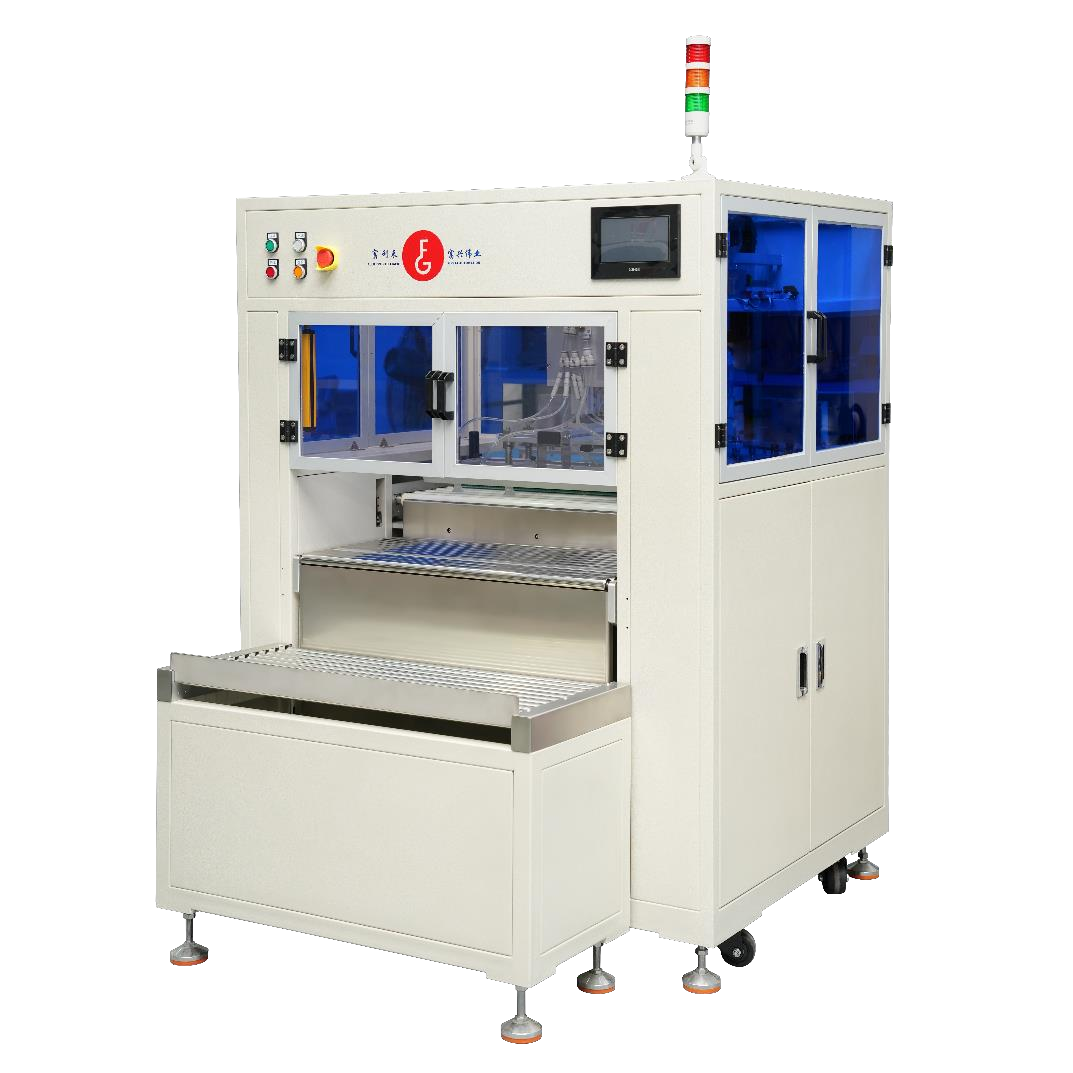
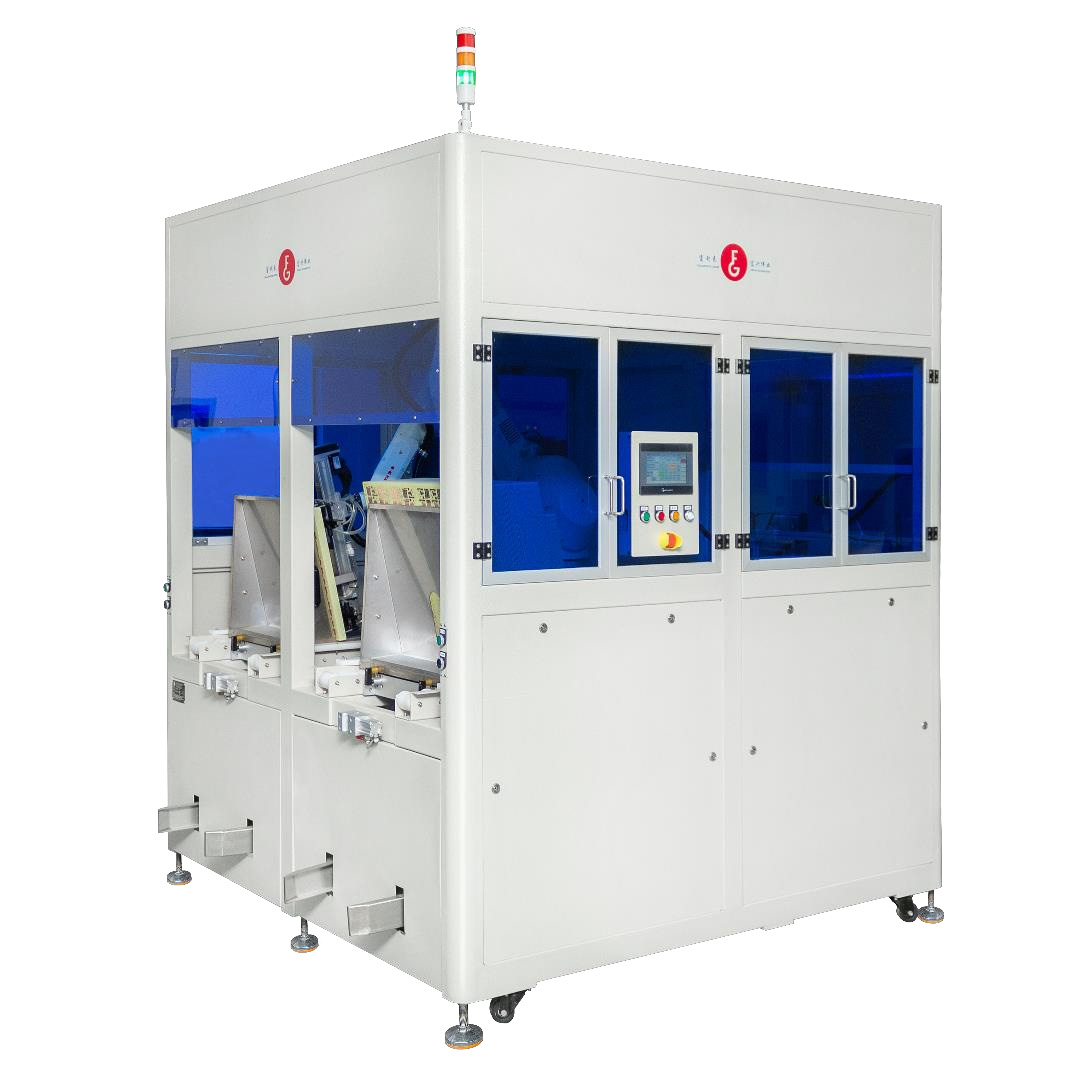
A modern PCB legend and circuit inkjet printer is a fully automated, digital production tool that prints silkscreen legends, solder mask blocks, QR codes, barcodes, and even fine circuit traces directly onto bare PCB panels.
Instead of the multi-step screen printing workflow, it works straight from your existing Gerber design files: no film, no screen, no emulsion coating, no manual alignment. After printing, an integrated UV LED lamp cures the ink instantly—boards are ready for the next process step immediately, no long drying tunnels required.
Screen Printing vs. UV Inkjet: Side-by-Side Comparison
For most high-volume, low-mix fabs, screen printing still has a place. But as production shifts to higher-mix, lower-volume orders, the math changes fast:
|
Metric |
Traditional Screen Printing |
Modern UV Inkjet Printing |
|
Changeover time per design |
1–4 hours (make new screen, align, test print) |
2–5 minutes (load Gerber file, press start) |
|
Labor per shift |
2–3 operators per line |
0.5 operators; fully automated lines need zero manual loading |
|
Alignment accuracy |
±100–150μm (manual alignment, prone to human error) |
±35μm (CCD automatic vision alignment) |
|
Minimum printable feature size |
1.0×1.2mm legend text; 5×5mm minimum QR code |
0.6×0.75mm legend text; 3×3mm minimum QR code |
|
Process steps |
Film output → screen coating → exposure → development → printing → drying |
Direct Gerber print → instant UV cure |
|
Waste per new design |
5–15 test panels + consumable cost per screen |
1–2 test panels, no recurring screen/film cost |
|
Best for |
High-volume, single-product runs of 10k+ panels |
Mixed production, small batches, prototyping, high-density boards |
5 Core Advantages of Modern UV Inkjet Technology
Today’s inkjet printers are not the flimsy office-style gadgets most engineers picture—they’re built for 24/7 factory floor operation, with precision specs that match or beat screen printing quality.
1. Zero screen, zero film, zero waste from outdated tooling
One of the biggest hidden costs in screen printing is the consumables: every new part number requires a new screen, new film, and hours of setup. For a fab running 20–50 new part numbers a week, that adds up to tens of thousands of dollars a year in wasted materials and labor.
Inkjet printing eliminates that entirely. You print straight from Gerber data, so there’s no shelf full of screens to organize, no lead time waiting for a new screen to be made, and no cost penalty for running a one-off prototype order.
2. CCD vision alignment eliminates human error
Traditional screen printing relies on an operator manually lining up the screen to the board—a process that gets slower and less accurate as operators get tired across a 12-hour shift.
Modern inkjet systems use high-resolution CCD cameras to automatically align to PCB fiducials, holding 35μm accuracy across every panel, every shift. That means no misprinted legends, no misaligned QR codes that fail traceability scans, and no arguments about who messed up the setup.
3. Built for stability on the production floor
The best industrial inkjet printers aren’t built on thin aluminum frames: they use solid marble bases and crossbeams, paired with linear motor drives, to hold long-term precision without drift. Unlike cheaper imported printers that need weekly calibration, these systems hold alignment accuracy for months of continuous operation.
A fully enclosed internal ink circulation system keeps ink flowing even during idle time, preventing the ink settling and nozzle clogs that plagues lower-cost open-ink-system machines.
4. Grayscale printing delivers sharper, more consistent print quality
Variable grayscale (multi-drop) inkjet technology lets the printer adjust ink dot size on the fly, just like a professional photo printer. The result?
· Sharp, clean legend text with no fuzzy edges
· Uniform white ink blocks as thin as 20μm, with no smudging or pinholes
· Consistent print density across every board, even for dark trace overprinting
This level of quality is impossible to match with hand-squeegee screen printing, where ink thickness varies based on operator technique.
5. Scalable from small manual lines to fully integrated production
You don’t have to overhaul your entire line at once. Most inkjet systems scale with your needs:
· Start with a single-worktable manual-load machine for low-volume production
· Upgrade to a dual-worktable system for 300–420 panels per hour throughput
· Fully integrate the line with automatic loaders/unloaders, connect it to your existing MES system
Which Factories Get the Fastest ROI?
Inkjet printing isn’t for everyone—but for the right operation, the payback is often 12–18 months or less:
1. 1. High-mix fabs: If 30% or more of your orders are runs under 500 panels, the time saved on changeover alone will cover the machine cost quickly.
2. 2. High-density/HDI board producers: If you’re struggling to print tiny legends or 3×3mm traceability QR codes with screen printing, inkjet will eliminate your quality escapes immediately.
3. 3. Factories facing rising labor costs: If you’re paying 2–3 skilled screen printing operators per shift, switching to an automated inkjet line cuts that labor requirement by 80% or more.
4. 4. Prototype and quick-turn shops: The ability to print a new design in minutes, no setup required, lets you cut lead times from days to hours and win rush orders your competitors can’t touch.
Is an Inkjet Printer Worth the Investment for Your Operation?
At FULILION, we’ve installed legend and circuit inkjet lines for PCB factories across Thailand, Malaysia, and Mexico, with local service support out of our Chachoengsao, Thailand branch. Our dual-station UV inkjet printers deliver up to 500 panels per hour in fully automatic online mode, with 35μm alignment accuracy and direct Gerber file compatibility.
If you’re currently evaluating screen printing alternatives, you can send us your typical panel sizes, required throughput, and current pain points—we’ll send you a customized line design and ROI calculation tailored to your production volume, with no obligation.